Fiona's Experience
August 11, 2026
I was born in Geelong, the eldest of three children, with two younger brothers. My dad was a secondary school teacher, and my mum was a radiographer. I had a perfect childhood, growing up in a loving home and a close community where I had the freedom to roam.
We were so close to the waterfront and other beaches along the Bellarine Peninsula and the Great Ocean Road. My family went on multiple holidays when we could.
I loved kindergarten and primary school because they were small, welcoming places where everyone knew each other, including the families. Later, I attended Sacred Heart College, an all-girls school where I made many more friends and truly thrived. I was very sporty and tried almost everything—netball, basketball, tennis, gymnastics, jazz and tap dancing, horse riding, swimming and surf lifesaving—but rowing was always my favourite. It was my passion. Sport was a big part of family life, whether we were playing, watching or cheering others on the Geelong Cats and in my mum’s case – the Western Bulldogs. I was also a keen musician, learning piano to Grade 8 along with music theory before trying the alto saxophone.
After finishing secondary school, I was eager to move to Melbourne and explore new opportunities. I was accepted into a Bachelor of Science, majoring in Nutrition and Human Physiology, at La Trobe University in Bundoora. I lived on campus and completed my first (and most joyous) semester there before things unexpectedly changed.
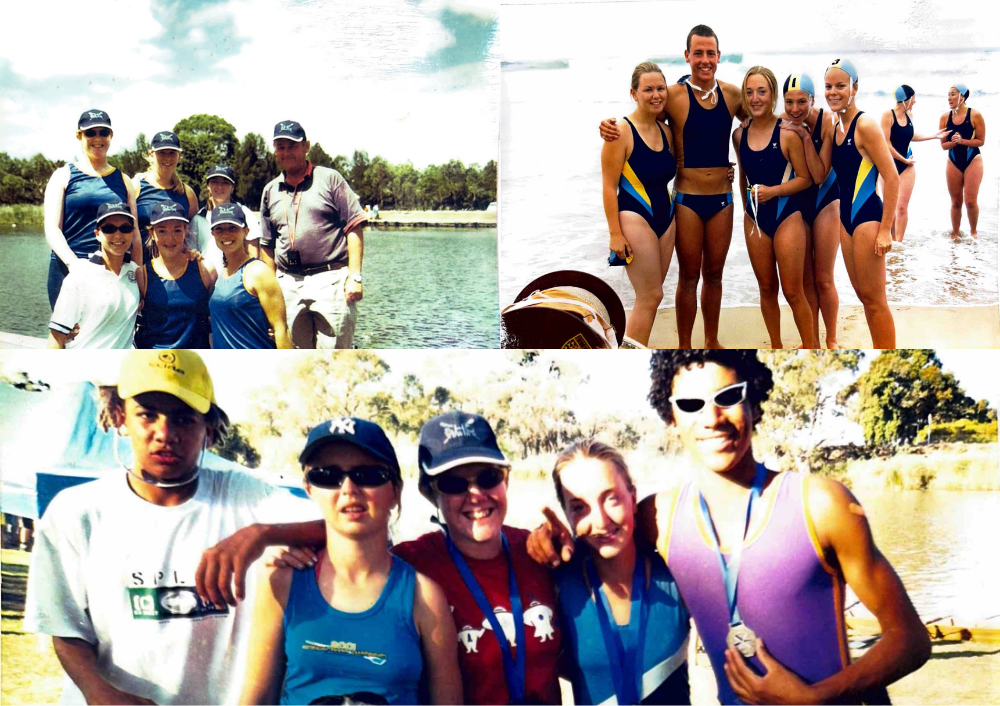
In 2002, just after turning 19, I left home for the first time and moved to Melbourne to live and study at La Trobe University in Bundoora. I was having the time of my life—making new friends, continuing to row, and enjoying a fresh, exciting environment. It felt as though my life was just beginning, and the energy of it all was electric.
During my first semester break, upon my return home to Geelong to visit family, I was invited to stay overnight at my best friend’s house to watch the men’s Wimbledon final. Lleyton Hewitt went on to win, but I don’t remember the match because that night I had my one and only seizure completely out of the blue.
Unfortunately, during the investigation into the seizure, doctors discovered a low-grade brain tumour. I had to defer my studies, and my exciting new life seemed to disappear overnight. I waited until early September for surgery to remove the tumour, and that marked the end of life as I had known it. A bleed in my brain during surgery left me with severe right-sided hemiplegia and epilepsy.
Rehabilitation at Grace McKellar was hard work, with therapy three times a day for 6 months. Thankfully, I was able to be an outpatient and travel there each day with the support of my parents and best friend, Catherine. I also enjoyed the company of my therapists, which made the process a little easier. Because I was young, fit and healthy, I recovered quickly—though never fully, close enough to enjoy much of the life as I had newly discovered. I was determined to return to university and continue the life I had just begun. Those five glorious months had given me a clear sense of what I wanted and having that goal helped me enormously.
I did return to university, but studying was difficult – as my fine motor skills didn’t return to full capacity so things took longer – the university made allowances and provided extra time for me to complete exams etc.
I was still able to enjoy university life—socialising with friends, working casually at the campus leisure centre, going out in the city, dating, and travelling to Thailand with Uni friends during the semester break.
With perseverance, and the support of friends and university aides, I managed to complete my degree in Science (Nutrition and Human Physiology) only just – Biochemisty is not my strong suit.
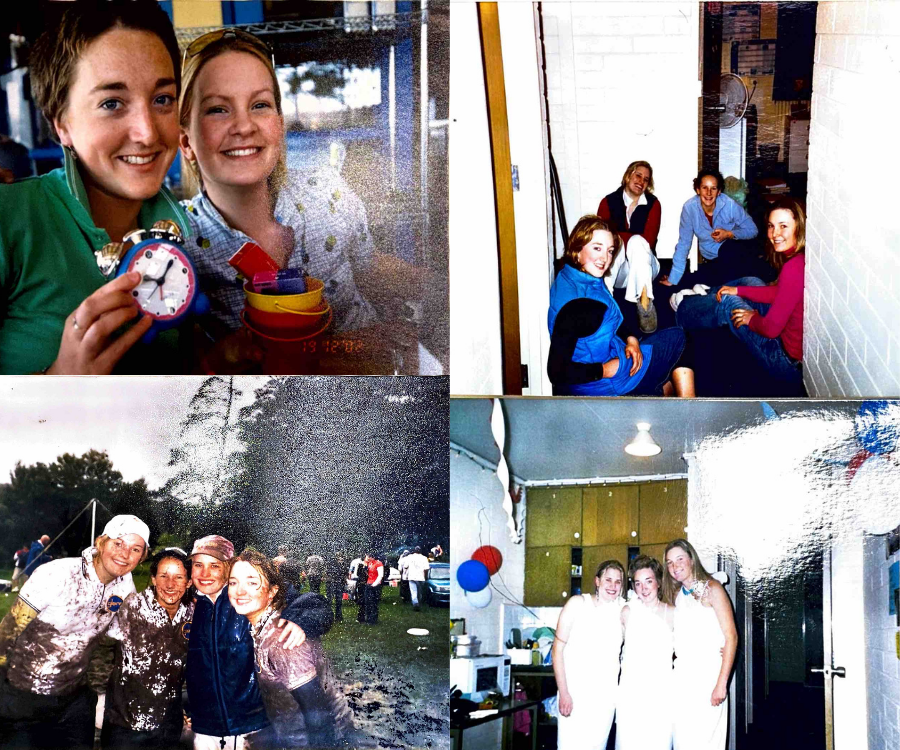
Unfortunately, the tumour grew back four years later, and I had to move home again.
At the time, I was living in Carlton with two very close girlfriends and having a wonderful time, full of parties and good memories—so losing that was devastating too. This time, the tumour was more aggressive, and I underwent surgery, as well as chemotherapy and radiotherapy. I was 23 years old and, by then, a young adult, so my parents did everything they could to give me space. I slept in the upstairs bedroom, and they decided to renovate it so I could have an ensuite and a separate area where friends could visit.
After recovering from treatment, I focused on my passion for teaching and set my sights on gaining entry to a course at Deakin University. During the semester break, I was lucky enough to join some close friends on the trip of a life time – 6 weeks of travel through Europe – UK, Spain, France and Africa – Morocco.
Finished my Degree in teaching with a Distinction – whilst living at home with my parent’s in Geelong.
I got a job at Drysdale Primary School and taught in one of the four Year 6 classes. I loved it and learnt so much, after 2 years the yearning was still there to see other schools and return to Melbourne.
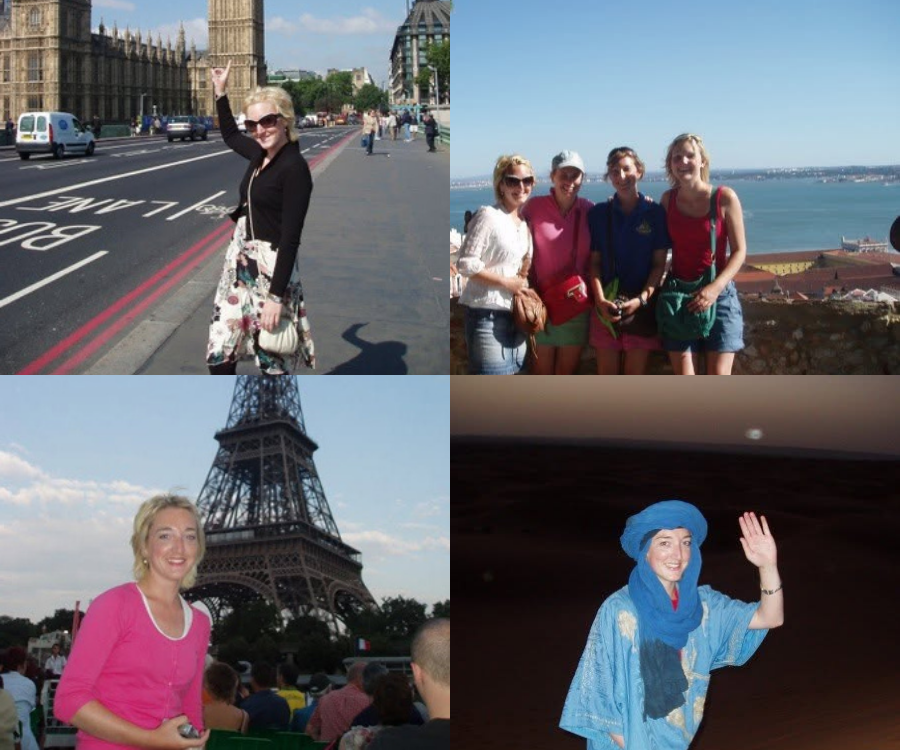
In 2012, I fell in love, and my partner and I moved into an apartment together in Windsor. Around the same time, I embarked on an unforgettable journey to New Zealand.
I spent four weeks living, working, and exploring the South Island from a campervan before relocating to the North Island, where I settled in Wellington and worked for six months.Our travels continued as we made our way to England, stopping in Thailand along the way. In 2013, I spent three months in England with my partner’s family and also had the opportunity to visit Scotland and Germany.
Eventually, we returned to Melbourne and settled back into life in Windsor. At that stage, I still held my driver’s licence and was able to drive myself to work. In 2015, I was working full-time as a Year 5/6 teacher at Glen Iris Primary School. During this time, my falls became increasingly frequent, sometimes occurring in the classroom. The students were always caring and concerned, but as my condition progressed, I realized it was becoming more difficult to continue teaching safely and effectively.
Ultimately, I made the difficult decision to resign from the role. Not long afterwards, I was involved in a minor car accident. Although no one was seriously hurt, the incident reinforced my concerns about driving. I made the decision to stop driving altogether. Fortunately, living in Melbourne’s inner city meant I had access to excellent public transport, so I was not heavily reliant on a car.
Throughout 2016, I dedicated myself to intensive physiotherapy and occupational therapy at Epworth Hospital in Richmond. Much of the year was focused on maintaining my mobility and independence. Despite these challenges, I remained committed to enjoying life and making the most of my time in Melbourne. My partner and I regularly enjoyed dinners, trivia nights, footy and other sporting events, and weekends away, particularly in Daylesford and Hepburn Springs.
In 2017, I began working three days a week as a permanent part-time teacher’s aide at St Joseph’s Primary School in Elsternwick. The school community was incredibly supportive, and some of my fondest memories come from my years there. Initially, I travelled to work by public transport, but as my mobility declined and the journey became increasingly unsafe, I relied on a support worker to drive me to and from work during my final three years there. While living in Windsor, I also continued travelling by public transport twice a week to attend physiotherapy appointments at Epworth Hospital.
In 2019, I purchased a unit in Kensington. Around that time, I transitioned to a physiotherapist in North Melbourne to make travel easier. During my treatment, my physiotherapist suggested I contact the MS Society to explore access to support through the National Disability Insurance Scheme (NDIS). As my condition continued to progress, my medical team advised me to begin using a wheelchair. It was a difficult recommendation to accept, as I had worked tirelessly for many years in the hope of avoiding that outcome. However, it proved to be an important intervention that helped preserve my safety and independence.
Over time, scar tissue resulting from radiotherapy spread through parts of my brain, gradually affecting my mobility and overall function. This led to a steady decline in my condition, and since mid-2024, I have relied on a wheelchair full-time.
Despite these challenges, I have continued to adapt to changing circumstances while focusing on maintaining my independence, quality of life, and connection to the people and activities that matter most to me.
Fi
The momentous change in my circumstances in 2024 completely turned my life on its head.
It began with the end of my long-term relationship which resulted in a lengthy and stressful legal matter that took over a year to resolve. It also resulted in having to away from my life in Kensington; resign from beloved job at St Joseph’s Elsternwick; and having to learn to live my life in a wheelchair for the foreseeable future. This all happened within a couple of weeks. I was devasted.
I have also become more anxious. I no longer feel like the outgoing, positive person I once was, but I am working through this and hope to recognise the positives more clearly again.
Using a wheelchair brings many restrictions. For example, I cannot open traditional doors by myself and often need to ask for help. As someone who has always valued my independence, I find this especially frustrating.
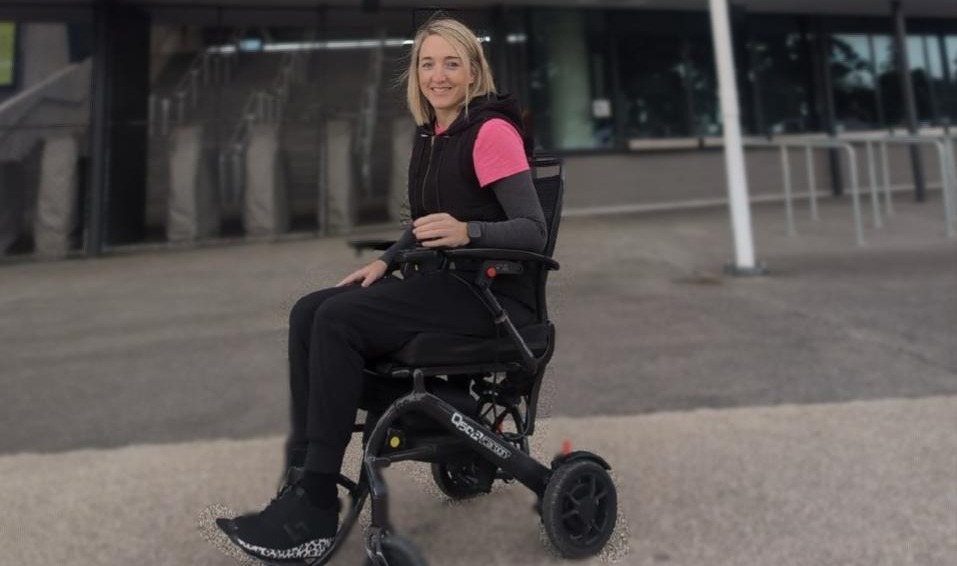
Living with brain injury is extremely difficult.
For many years, I was able to disguise it - too well. Small things are BIG things now. I will NEVER have the energy you used to have. Any physical movement requires concentration – no longer are they automatic movements and this comes with severe fatigue. I can no longer multi-task.
Now that I use a wheelchair, my disability is more visible, and I am still working out how I feel about that. Sometimes it is a relief when people understand because there is less judgement, but there are still many barriers to navigate when you are confined to wheelchair. Doors!!!! Argh! You can never be out in the community by yourself unless you know it’s FULLY ACCESSIBLE.
How has your outlook changed?
Living with a brain injury can have unexpected upsides. I have ‘forgotten’ many of the hardest and most painful moments in my life, and I can watch films again and again as though I am seeing them for the first time.
Fi
Goals I have achieved:
- Worked really hard to return to my previous strength and fitness, regaining as much mobility as possible through my right side of my body.
- Returned to University on-campus living and studying – completing my degree in Science (Nutrition and Human Physiology).
- Travelled overseas multiple times.
- Completed my post-graduate bachelor's in teaching (Primary & Secondary).
- Gained full-time employment as a Teacher in Geelong and then in Melbourne.
- Lived and worked overseas.
- Beat cancer twice.
- Taught myself to write left-handed, when I could no longer write on Whiteboard with my Right hand (dominate hand).
- Purchased a home with my partner.
- Managed epilepsy with no seizures for 25 years.
- Remained as independent and mobile as long as I possibly could safely while maintaining my strength and mobility.
I aspire to:
- Live independently.
- Acquire meaningful paid work.
- Make new connections with people.
- Find a hobby – I’m still yet to find something I enjoy doing – I loved team sports & rowing. With limited mobility in my dominant hand and leg it’s been challenging to find something I’m passionate about. I’d like it to be a social/fun hobby.
- Build confidence in using my outdoor wheelchair independently – I have conquered a couple of trips so far since getting it.
- Explore becoming a peer mentor or using my lived experience to support others with acquired brain injury.
My pathway forward:
I will move forward with strong support, especially from my wonderful Brainlink support coordinator, Sheryl. She has stood by me through difficult times and helped connect me with the right supports, including occupational therapy, physiotherapy, allied health professionals and support workers.
I will continue weekly physiotherapy and gym sessions to stay fit, healthy and strong, and to maintain my independence when I am living in my own home. Staying socially connected is very important to me. I love spending time with friends, enjoying trivia nights, movie nights, concerts and dinners out. Sport continues to be a significant part of my life, I love going to the gym using the rower and boxing, going to the footy to watch the Cats, getting involved in my nephew's sport and fantasy football (AFL and Premier League). These moments bring balance and joy to my life.
The people that bring me joy:Live independently.
- My family, Mum and Dad, Brothers and my four nephews.
- My best friends, Catherine, Alice, Shan and my extended friend network.
- My BrainLink Support Coordinator - Sheryl D.
- My Support Workers - Nyree & Rach.
- Physiotherapy and Exercise Physiologist Team.
- Occupational Therapy team.
Ipsum sit
Community Understanding
I would like the broader community to understand that every brain injury is different. Regardless of whether an injury is considered severe or mild, we are all human beings and deserve the same dignity, respect and inclusion as everyone else.
Fi
Brainlink has been a steady presence in what often feels like a very overwhelming system. Their care goes far beyond just ticking boxes or communicating with my specialist teams, they truly see me as a whole person, not just a participant.
They've helped me over many years to access supports that not only meet and target my needs, but also make me feel heard, safe, and valued.
What I appreciate most about Brainlink, is their staff’s commitment to their participants and that it is always done with compassion, advocacy and a very strong work ethic. Whether it's taking the time to visit and explain the complex processes of the of NDIS to family or simply checking in to see how I am going.
Are you a person impacted by Brain Injury?
Access our services
Whether you are a person living with a brain injury, a caregiver supporting a family member or friend, we can assist you.