Shey Webber's Story
August 04, 2026
Before my injury, I lived an exciting and eventful life. I travelled the world, worked as a theatre nurse, and owned my own home.
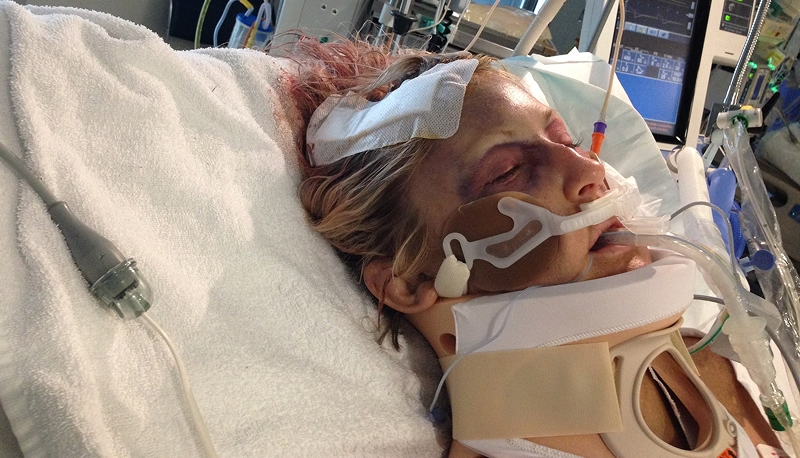
Fiji was my favourite place to escape to, and I went there often. Everything changed in 2013 when I had an accident that resulted in a traumatic brain injury. I spent several weeks in the Royal Melbourne Hospital, but I remember very little about the injury or my early days there. My injuries were so critical that my family and friends feared I might not survive.
During rehab, I had to learn to walk again. When I was finally discharged, I still needed ongoing support and moved into a nursing home. While living there, I fell again and suffered a spinal cord injury. That meant starting over, learning to walk for a third time. It was unbelievably hard, but I’m a fighter, and I kept pushing forward, one small step at a time.
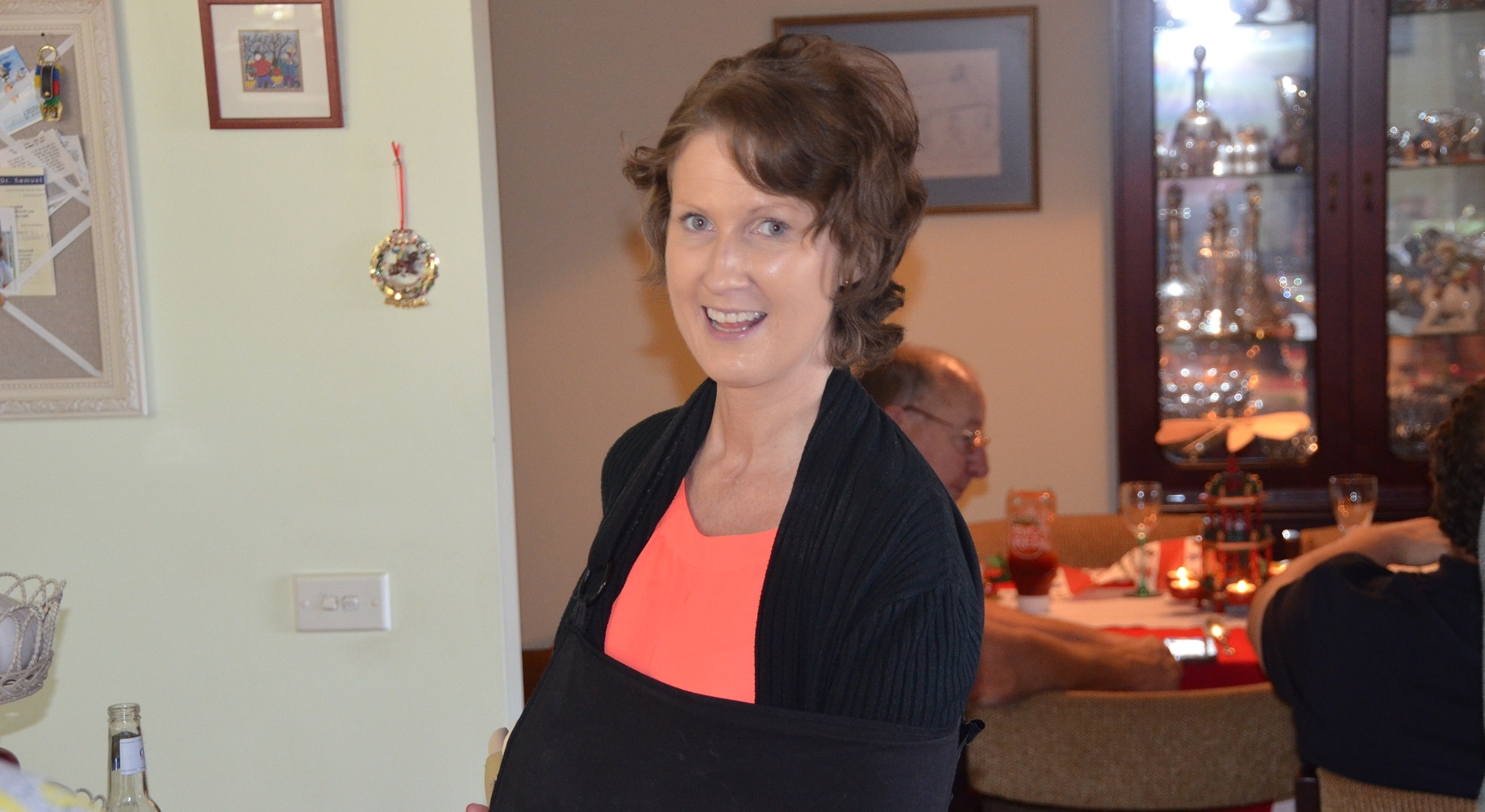
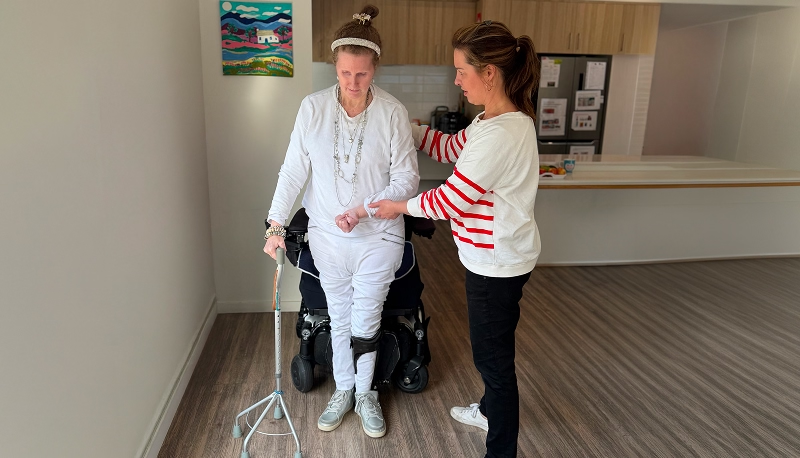
One of my biggest goals is to stand and walk with my physio or in the pool. When I’m able to do that, I feel joy and independence, feelings I want to experience as often as possible.
Shey Webber
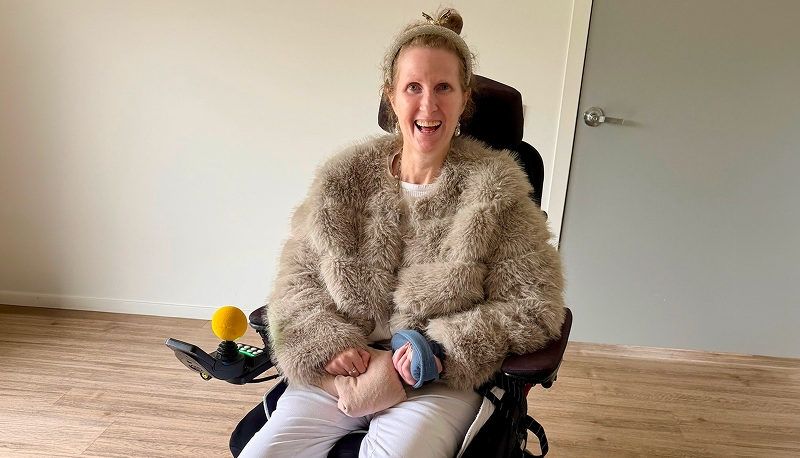
Living with a brain injury is still incredibly frustrating. My biggest challenge is the loss of independence. Most things I want to do now take time, planning and help from someone else. I can't just decide to do something and get up and do it anymore. People don't realise how many simple things they do every day without even thinking. Getting dressed, going to the toilet, picking something up off the floor, making a cup of tea, or getting in and out of bed are things most people just do automatically. For me, those same tasks can take a lot longer, require careful planning, or I need someone there to help me. Losing that independence has been one of the hardest parts of living with a brain injury.
I currently live in a share house with supports, but my goal is to live independently again. I know it won't happen overnight, but I keep working towards it because having my own home again would mean so much to me. People often see me smiling and think I'm doing okay, but they don't see how much effort it takes just to get through an ordinary day.
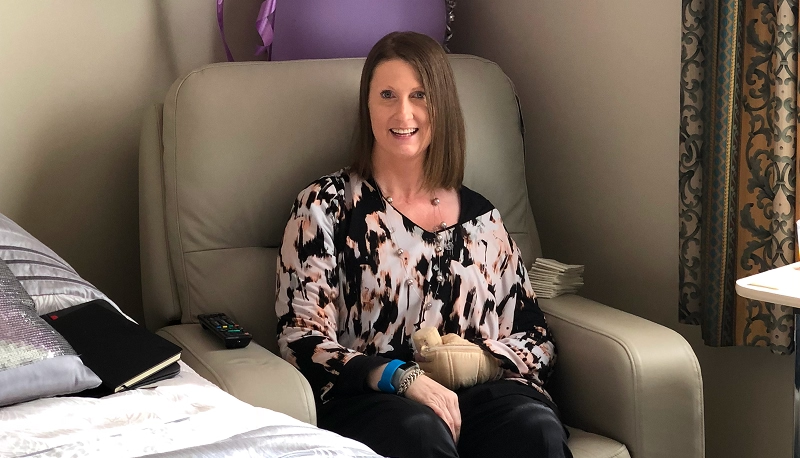
My professional carers make a huge difference in my life, especially my physio, who shares my determination to walk again. Social connection is also incredibly important to me. My Brain Injury Matters (BIM) peer support group is a highlight of my week. Being able to talk with people who truly understand what I’m living with helps me feel seen and supported.
One of my biggest goals is to stand and walk with my physio or in the pool. When I’m able to do that, I feel joy and independence, feelings I want to experience as often as possible.
I’m eternally grateful for all the support I receive from BrainLink. Connecting with people who understand brain injury makes me feel validated. I know that they get me.
One step at a time
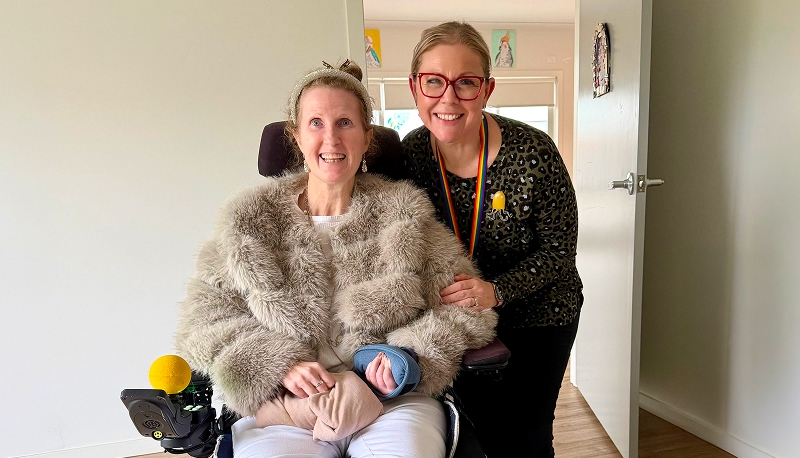
After devastating injuries changed her life forever, Shey continues to fight independence.
Carousel of imagery