Elissa and Marilyn's story | Support for the whole family
November 19, 2026
When someone experiences a brain injury, life changes for the whole family. But with understanding and the right support, new opportunities and connections can emerge.
When Elissa experienced a brain aneurysm in October 1999, her life and the lives of those closest to her changed forever. Before her injury, Elissa was a creative and talented young woman. She loved reading, writing poetry and stories, drawing and painting. She worked in real estate, facilitated children's parties and even performed as a puppeteer in a Myer Christmas show.
But following a massive subarachnoid haemorrhage, emergency surgery and complications that resulted in further damage to her brain, Elissa faced a long and difficult hospital stay, followed by months of rehabilitation. For her mother, Marilyn, it was an equally frightening and uncertain time.
A different life for the whole family
Marilyn remembers the early days as a period of simply trying to manage an overwhelming situation. Elissa spent approximately eight weeks in hospital before undertaking rehabilitation at Royal Talbot, where Marilyn and her family visited every day. Elissa's memory was significantly affected. At times, she couldn't remember whether she had eaten a meal just minutes earlier. Nobody knew how much she would recover or what life would look like once she returned home. Marilyn quickly learned that supporting Elissa would require a different approach. Patience, routine and understanding became essential.
Over time, she also came to appreciate just how much a brain injury can affect someone in ways that aren't immediately obvious to others. Elissa can appear confident and capable. Yet the effects of her injury, particularly on her memory, concentration and ability to organise everyday activities, remain significant.
As Marilyn explains, people who don't know Elissa well can sometimes underestimate the support she needs. "People don't always understand," Marilyn reflects. "She looks and sounds as if she is managing well, but there is a lot going on beneath the surface." For families like Elissa and Marilyn's, this can be one of the most challenging aspects of living with brain injury: helping others understand that what they see on the outside doesn't necessarily reflect what someone is experiencing.
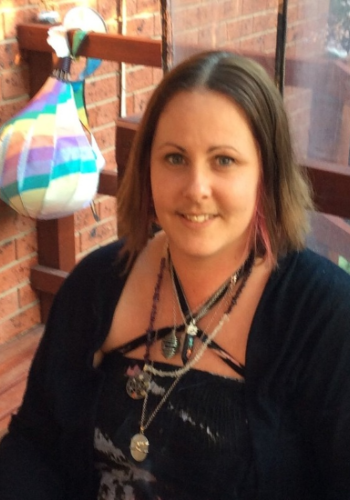
She looks and sounds as if she is managing well, but there is a lot going on beneath the surface.
Marilyn describing Elissa's day to day experience.
Finding the right support
For many years, Marilyn navigated the challenges of supporting Elissa largely on her own. She drew on her previous experience working in residential aged care and supporting other family members, but finding appropriate services and understanding where to turn for help wasn't always easy. It wasn't until Elissa and Marilyn connected with BrainLink that they began to experience the benefits of more tailored, ongoing support. Since this time, BrainLink has helped Elissa access opportunities and build independence while also providing Marilyn with reassurance and support in her caring role.
With a community and family support network around her, Elissa has been able to explore activities and interests that give her purpose. She attends an art group, where she has rediscovered some of her creativity through painting, mosaics and other artistic activities. She has also joined singing groups, including a choir for people recovering from stroke. While her creativity may look different from the way it did before her injury, Elissa has found new ways to express herself.
Marilyn has seen how important these opportunities are, not just for the activities themselves, but for the structure and social connections they provide. Elissa often finds it easier to concentrate and complete projects when she is part of a supported group environment. Being surrounded by others, sharing experiences and having a reason to get out and participate makes a real difference.
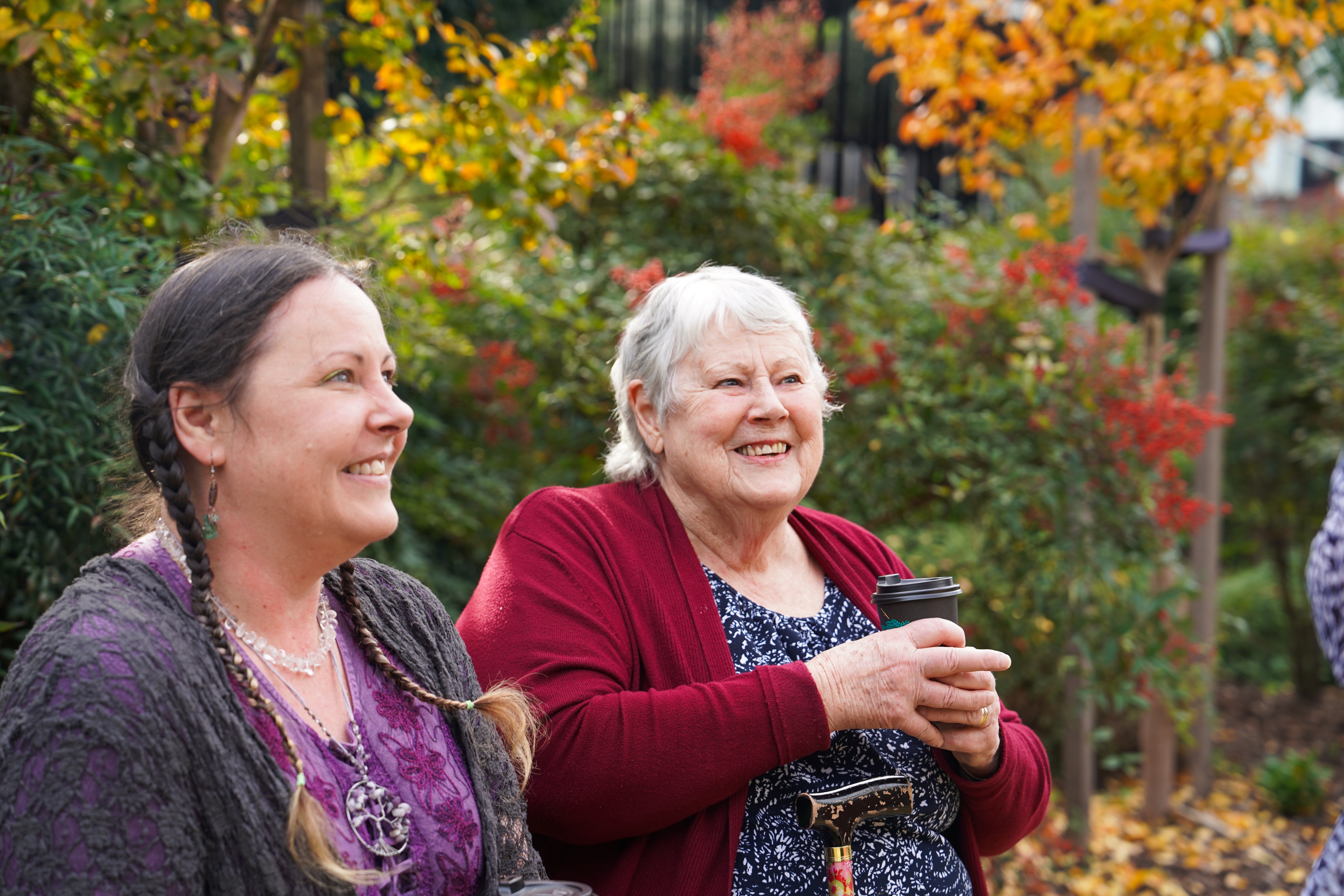
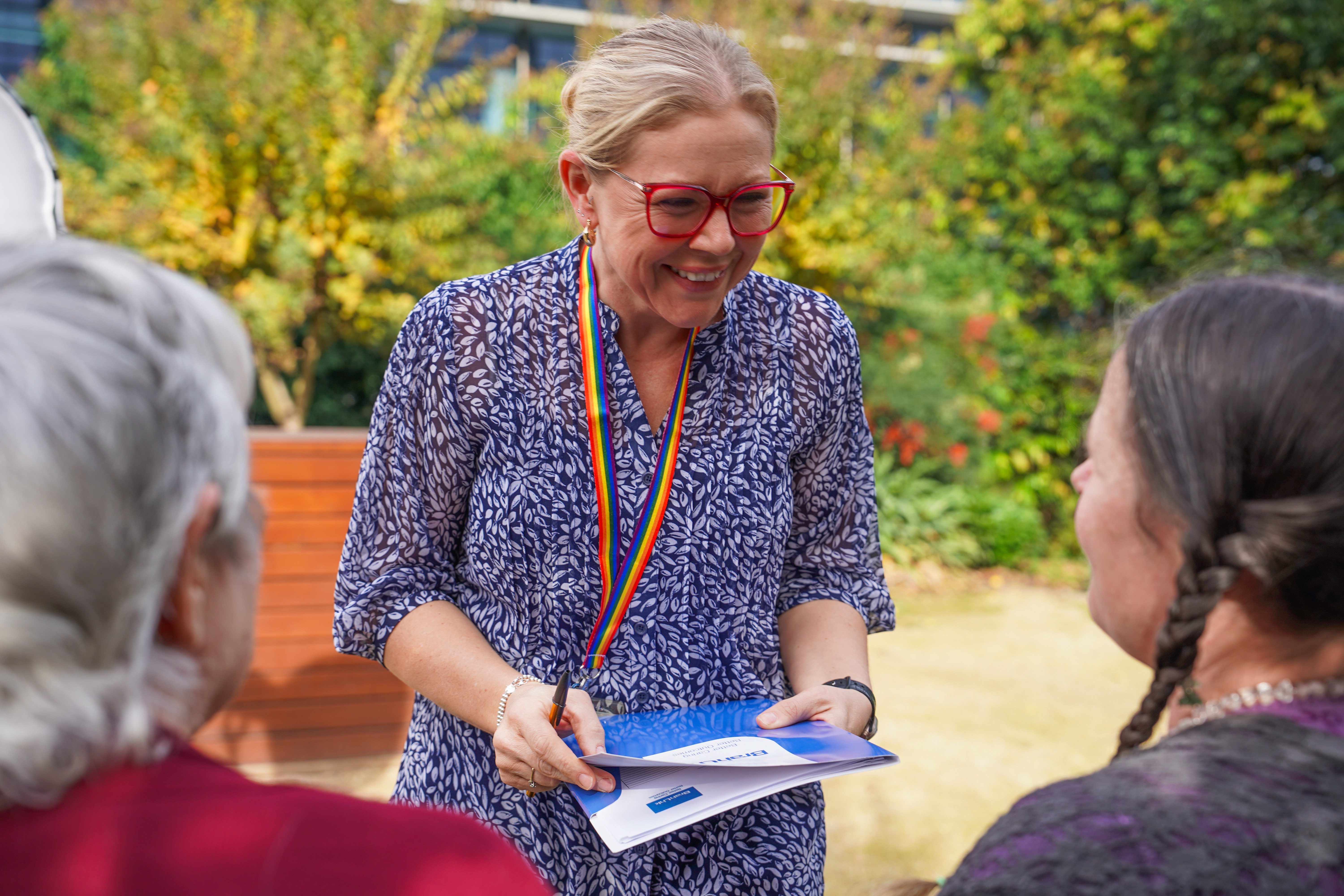
Reflecting on the support BrainLink has provided, Marilyn says it has been wonderful to have people who understand Elissa's needs and can suggest opportunities and approaches that make everyday life easier. "It has taken the worry off my shoulders," she says.
For Marilyn, knowing that Elissa has people around her who understand brain injury and recognise the support she needs has made a significant difference.
When support becomes mutual
Perhaps one of the most meaningful aspects of Elissa and Marilyn's story is how their relationship has evolved over time. For many years, Marilyn was Elissa's primary source of support, helping her navigate everyday challenges and ensuring she had opportunities to participate in life beyond her injury.
Today, that relationship is increasingly reciprocal. As Marilyn has grown older and experienced her own physical challenges, including multiple surgeries on her knees, shoulders and hips which has significantly limited her mobility. Over time, Elissa has become someone Marilyn can rely on. When they go out together, Elissa is often the one helping Marilyn navigate her own daily challenges.
Marilyn describes how much she now enjoys Elissa's company and how their relationship has become less about one person caring for the other and more about supporting each other. It is a reminder that people living with brain injury are not defined by their support needs. They have relationships, strengths, interests and contributions that enrich the lives of the people around them.
For Elissa and Marilyn, family, friendship and community remain central to their lives. Christmas is an opportunity to bring everyone together for a relaxed family gathering, sharing food, conversation and time with the people who matter most.
Creating opportunities for families to connect
Elissa and Marilyn's experience highlights why support for people living with brain injury must extend beyond the individual. Families and carers are often navigating their own challenges, learning how to adapt, understanding changes in behaviour and communication, and finding ways to support someone they love while maintaining their own wellbeing. Just as importantly, they need opportunities to connect with others who understand what they are experiencing.
Marilyn remembers how difficult it was in the early years to find appropriate support and connect with people who truly understood the complexities of brain injury. Today, she recognises the value of sharing her experiences with other families and carers. Through her own connections and community involvement, she has found that helping others can be just as rewarding as receiving support herself. There is enormous value in hearing directly from people who have lived through similar experiences. A practical suggestion, a shared challenge or simply knowing that someone else understands can make a real difference.
As BrainLink celebrates its 20th year, we are reflecting on the importance of supporting not just people living with brain injury, but the families and communities who support the. Elissa and Marilyn's story demonstrates what can happen when people are understood and given opportunities to remain connected.